




Background of the Case
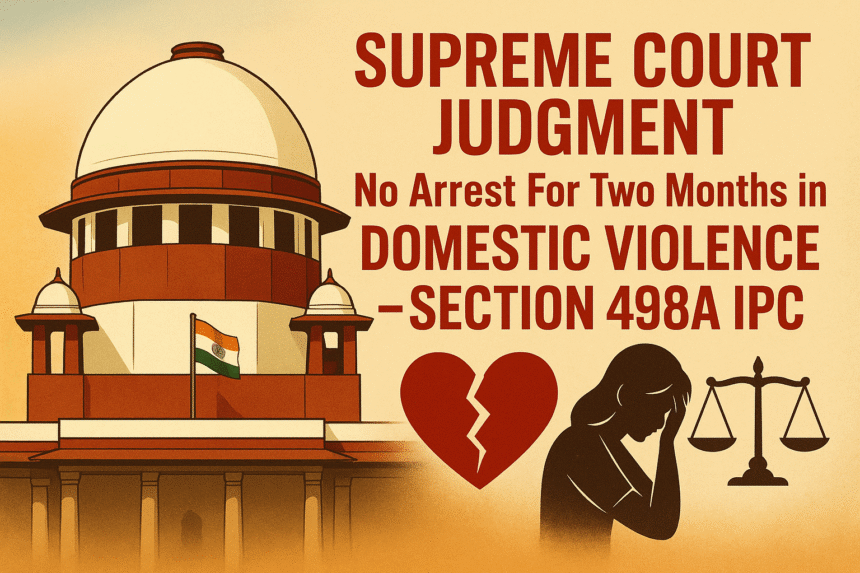
On 22 July 2025, the Hon’ble Supreme Court of India finally put an end to the long pending and contentious matrimonial dispute between Shivangi Bansal (also known as Shivangi Goel), an IPS officer and her husband Sahib Bansal. The apex court used its powers under Article 142 of the Constitution to dissolve the marriage and quash all pending cases between the parties and their respective families.
The couple got married in December 2015 and were embroiled in multiple criminal and civil cases since their separation in October 2018. Their daughter born in 2016 was the bone of contention in several custody related petitions during the dispute.
Also Read- विवाह टूटने पर तलाक(Divorce) और 25 लाख का गुज़ारा भत्ता(Alimony), पासपोर्ट जब्त करने पर सख्त रोक! Supreme Court
Key Highlights and Issues in Matrimonial Dispute
1. Mutual Consent for Settlement
Both parties agreed to settle all pending legal disputes amicably including:
- Divorce under Section 13(1) of Hindu Marriage Act, 1955
- Domestic violence cases under Protection of Women from Domestic Violence Act, 2005
- Criminal cases under Sections 498A, 406 IPC and others
- Maintenance cases under Section 125 CrPC
- Custody under Guardianship and Wards Act
The Supreme Court accepted this mutual settlement and recorded it as binding.
2. Custody of the Minor Child
The Court directed that custody of the daughter Raina shall be with the mother Shivangi Bansal. The father and his family were given:
- Supervised visitation for first three months.
- Monthly visitation on first Sunday of every month.
- Half of the vacation periods with the child.
3. Alimony and Maintenance
Interestingly the Court recorded that:
- The wife waived all rights to alimony and maintenance.
- She also waived all rights over the husband’s and his family’s movable and immovable properties.
- The earlier maintenance order of ₹1,50,000/month passed by the Allahabad High Court was quashed.
Also Read- पत्नी को पढ़ाई छोड़ने पर मजबूर करना सपनों को कुचलने जैसा। Madhya Pradesh High Court ने कहा – यह Mental Cruelty है!
4. Withdrawal and Quashing of Cases
The Court quashed scores of pending cases(Matrimonial Disputes) in various courts including:
- Criminal cases under IPC Sections 498A, 406, 376, 511 etc.
- Domestic violence cases in Hapur, Uttar Pradesh.
- Defamation and abduction cases.
- Land disputes, income tax notices and other civil cases involving family members.
All pending and future cases arising out of the matrimonial dispute were barred.
5. Property Settlement
In a significant clause of the settlement, the wife’s mother Sandhya Goel agreed to gift land in Aligarh to the husband. This includes:
- A property of 0.97566 hectares.
- The husband will take all future litigation risk and costs.
- To be executed in the presence of mutually agreed upon lawyers.
6. Apology and Publication
As part of the settlement:
- Shivangi Bansal and her parents will publish an unconditional apology to the Bansal family in:
- One English and one Hindi newspaper.
- Social media platforms like Facebook, Instagram and YouTube.
The apology will not be considered an admission of guilt and its misuse can lead to contempt proceedings.
Legal Significance and Observations
- Supreme Court used Article 142 to the fullest to give complete justice beyond the procedural boundaries.
- This is a model for high-conflict matrimonial cases with multiple litigations and inter family feuds.
- Court balanced legal with human angle especially for the child’s emotional well being.
Click Here to Read Full Judgement
Conclusion: A Way to Closure and Healing in Matrimonial Dispute
This judgement shows the importance of alternative dispute resolution and amicable settlement in complex family disputes. By quashing more than 25 cases and giving a clean chit, the Court has given both the families a chance to start afresh, free from the burden of litigation and emotional trauma.
The case of Shivangi Bansal vs. Sahib Bansal will be a landmark in matrimonial law, especially in cases of public officials, inter family property and long custody battles.
